
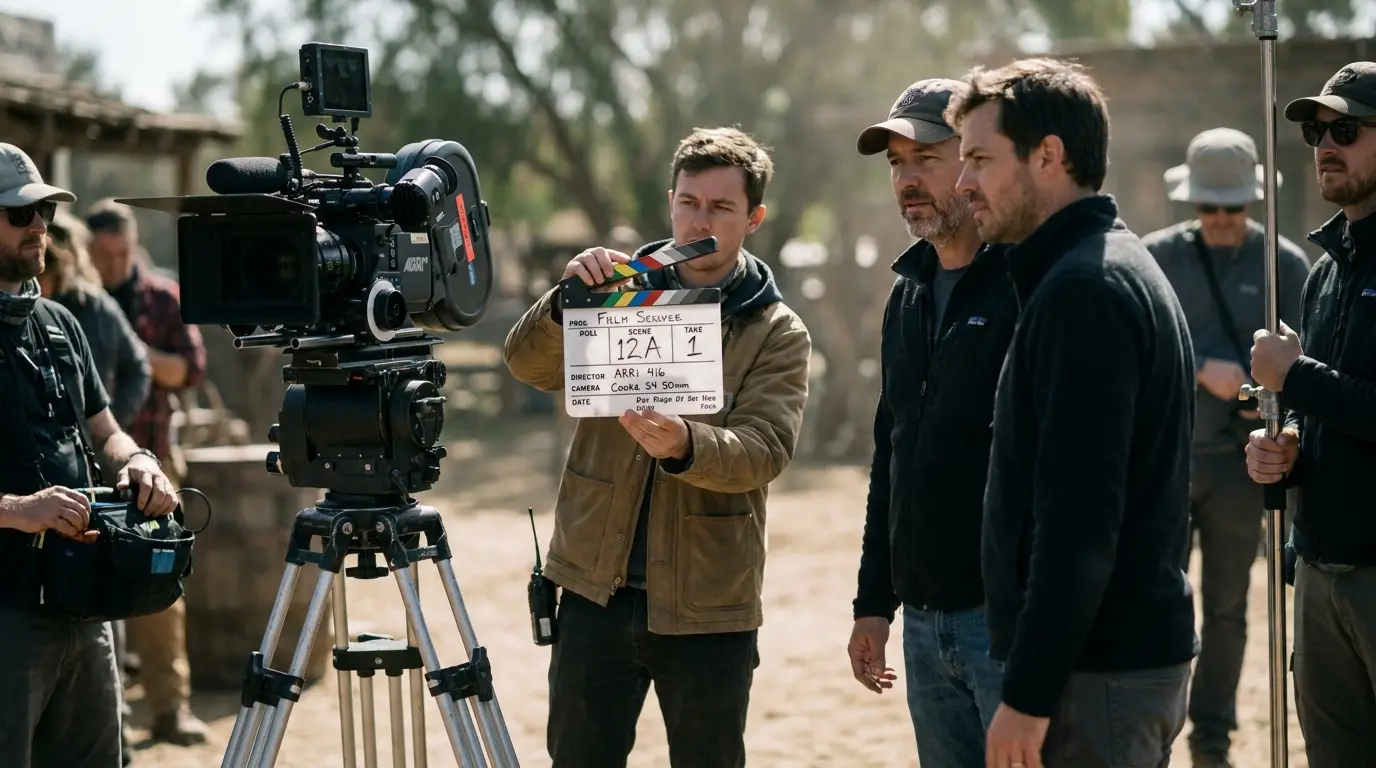
Ask any chef about the secret to a calm kitchen and they won't say "cook faster." They'll say mise en place — everything in its place before the heat goes on. A professional video shoot works exactly the same way. The smooth, effortless-looking shoots? They're not lucky. They're prepared.
Here's a truth that surprises a lot of people: most of a great video is made before the camera ever rolls. The shoot day is just where the planning shows up to collect its winnings. Skip the prep and you'll spend your shoot day improvising, burning daylight, and quietly panicking. Nail the prep and the shoot becomes the fun part.
So whether you're hiring a professional video production team or grabbing a camera and going for it yourself, here's how the pros set every shoot up to win — before anyone says "action."
The Shoot Is Won Before You Press Record
Think of a video shoot like an iceberg. The audience only ever sees the tip — the polished final cut. But underneath the surface sits a massive, invisible block of planning that's holding the whole thing up. That hidden 90% is called pre-production, and it's where experienced crews spend most of their energy.
The payoff is real. Industry crews live by a simple rule: a focused 30-minute pre-production meeting can save you an entire shoot day. That's not an exaggeration — it's the difference between a team that shows up knowing exactly what to do and a team that shows up asking "okay… so what are we shooting?"
1. Start With the "Why" (Your Creative Brief)
Before you think about cameras, lenses, or lighting, answer three questions: Who is this video for? What's the one thing it needs to say? And what do we want them to do after watching?
This is your creative brief, and it's the compass for every decision that follows. A video trying to say five things says nothing — like a billboard with a paragraph on it. Pick one core message and let everything serve it. When you're on set later and someone asks "should we get this shot?", the brief answers for you.
2. Build a Shot List (Your Grocery List for the Day)
You wouldn't walk into a grocery store for a week of meals without a list — you'd wander the aisles, forget the milk, and come home with three kinds of chips. A shot list is that list for your shoot: every shot you need, written down before you arrive.
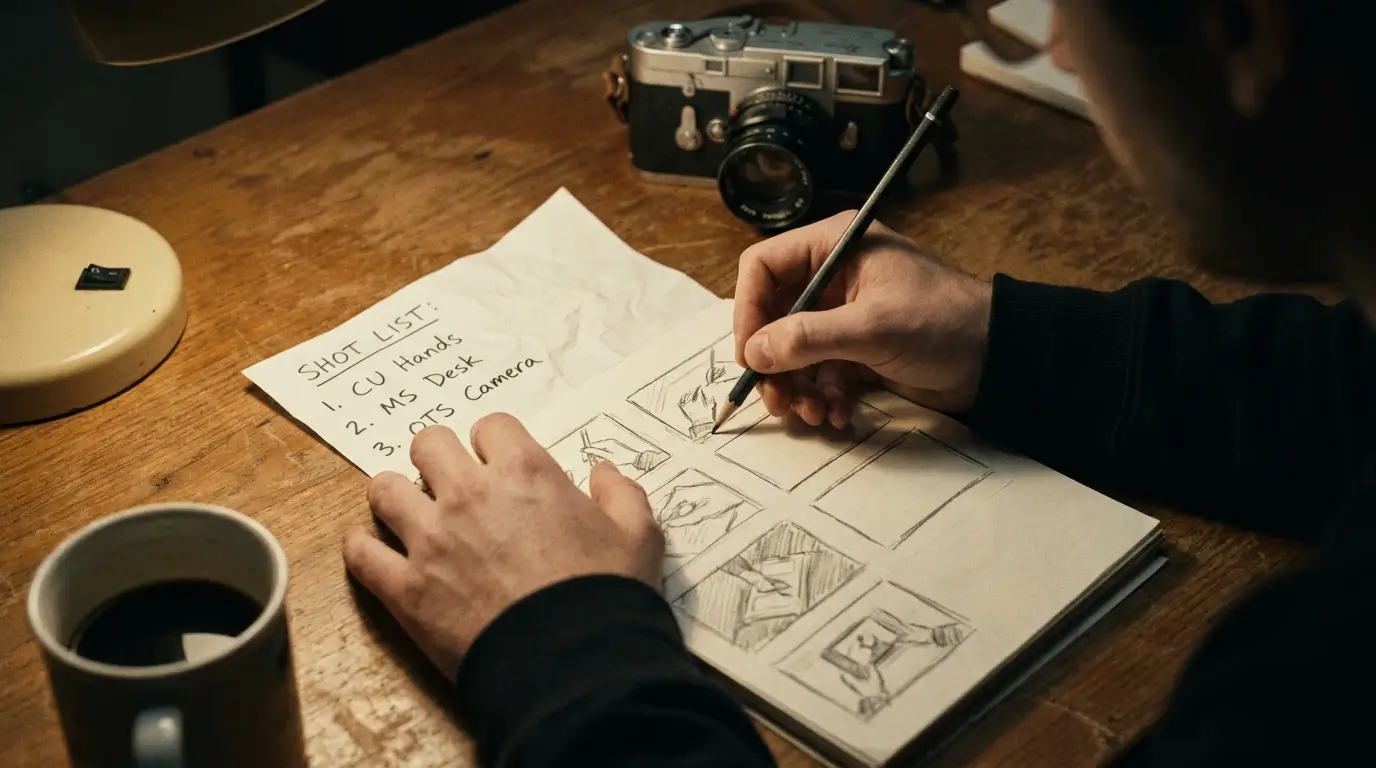
A good shot list goes beyond "interview shot." Note the framing (wide, medium, close-up), any camera movement (static, pan, slider), and the lens if you know it. Then group your shots by location, not by story order. Shoot everything in the kitchen before you move to the office — it slashes setup time and keeps the crew from re-lighting the same room twice. Pro move: share the shot list with your team a day early so your camera op and audio person can flag problems before they cost you time.
3. Scout the Location (Don't Let the Room Surprise You)
Showing up to a location for the first time on shoot day is like agreeing to a blind date at a restaurant you've never seen — it might be great, or it might be a loud, badly lit nightmare with no parking. Scout it first.
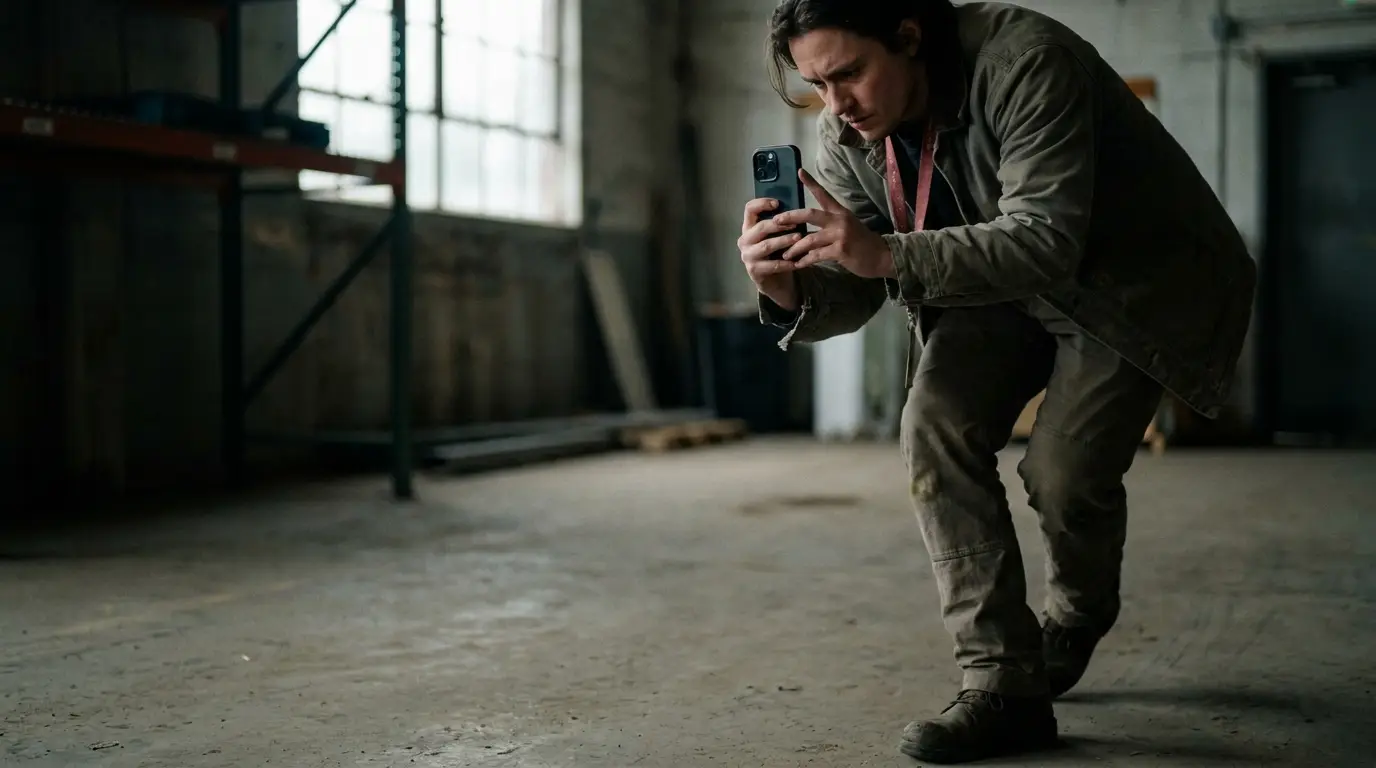
When you scout, look for the four things that quietly ruin shoots: light (which way do the windows face, and when?), sound (is there a highway, a buzzing fridge, an HVAC system that kicks on?), power (where are the outlets?), and space (can you actually back up far enough for that wide shot?). Snap reference photos on your phone and frame up a few compositions while you're there. Future-you will be grateful.
4. Pack and Test Your Gear (Check the Gas Before the Road Trip)
Nobody starts a road trip without checking they have gas, and nobody should start a shoot without checking their kit. The most heartbreaking shoot-day failures aren't dramatic — they're a dead battery, a full memory card, or the one cable nobody packed.

The night before, lay everything out and actually turn it on. Charge every battery (then pack a couple spares), format your memory cards, and confirm your audio gear works — because great footage with bad sound is unusable, and audiences forgive a soft image long before they forgive a hum they can't ignore. Build yourself a simple gear checklist and run it every single time. Boring? Yes. So are spare tires, right up until the moment they save your trip.
5. Write a Call Sheet (The GPS for Everyone)
A call sheet is the single document that tells everyone where to be, when, and what's happening. Think of it as the GPS for your shoot day — punch it in once and nobody has to keep asking "where are we going?"
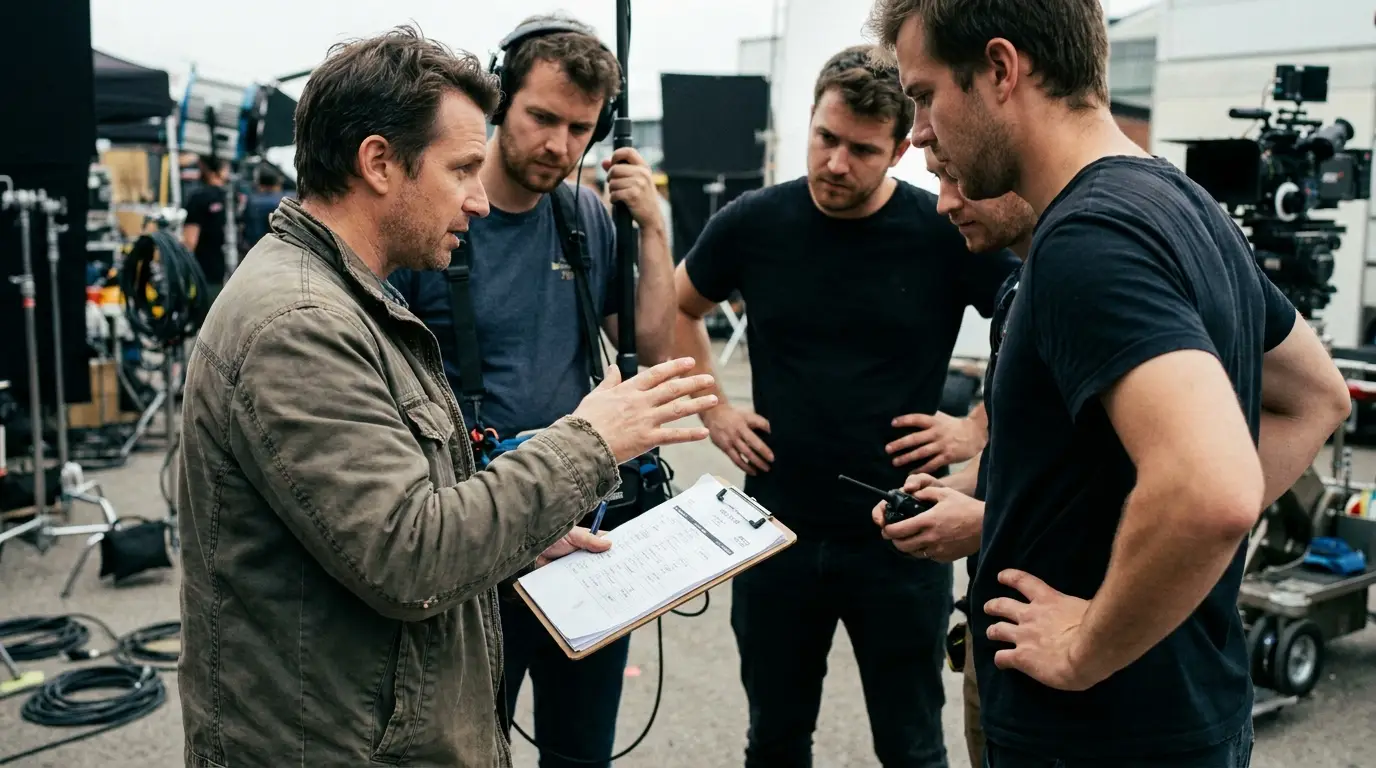
The golden rule of the industry: get the call sheet to everyone by 6:00 PM the night before. A good one includes the location and address, the call time (when to arrive) and wrap time, the schedule for the day, key contacts and phone numbers, parking notes, and — never underestimate this — where lunch is coming from. A crew that knows the plan and knows they'll be fed is a happy, fast crew.
6. Plan for Murphy's Law (Always Pack an Umbrella)
Murphy's Law of filmmaking: anything that can go sideways will pick your most important shot to do it. You can't prevent every surprise, but you can refuse to be ambushed by it. Ask the "what if" questions now, while you have time to answer them calmly.
What's the backup plan if it rains on the outdoor shoot? What if the main camera fails — is there a second body or a rental nearby? What if your talent runs an hour late? Having a Plan B isn't pessimism; it's the umbrella you carry so it doesn't rain. The crews that look unflappable on set aren't fearless — they just answered these questions in advance.
Your 10-Minute Pre-Shoot Checklist
- Creative brief locked: audience, one core message, desired action
- Shot list written and grouped by location
- Location scouted for light, sound, power, and space
- Every battery charged + spares packed
- Memory cards formatted and emptied
- Audio gear tested (the night before, not on set)
- Call sheet sent to everyone by 6:00 PM the day before
- Backup plans ready for weather, gear, and schedule
"Amateurs hope the shoot goes well. Professionals make sure it does — long before the camera turns on."
Roll With Confidence
Here's the best part: preparation doesn't make a shoot rigid — it makes it free. When the logistics are handled, your brain stops juggling cables and call times and gets to do the fun, creative work: catching the perfect expression, chasing the better angle, making something genuinely good. That's the magic the plan buys you.
So plan the work, then work the plan — and when someone finally calls "action," you'll already know it's going to be a great day. If you'd rather hand the whole process to a team that lives and breathes this stuff, that's exactly what we do. Tell us about your project and we'll handle the prep, the shoot, and everything in between.

James is a creative professional and marketing leader with 20+ years across film, animation, broadcast production, and brand marketing. He founded MediaMarvels to help businesses tell their stories with a filmmaker's eye and a marketer's mindset.